
Doctors of Philosophy

philomaths.tech
Follow on Instagram, X, LinkedIn. Brand built with achoo studio
editor@philomaths.tech
We learned Tomas and Eimantas mIRC nicknames, and uncovered the very origins of Tesonet — European success story behind two bootstrapped unicorns.
Welcome to weekly letter where we resist AI to automate thinking.
Ideas below are robot-free. We think about GDP today.
work in progress
Kilo is under scrutiny by the reporters — international group of journalists are running broader investigation, likely on marketing practices. After receiving questions, Kilo has stopped sales of five apps — Cardi Health, Joggo, MyBody, MyDiabetes and BB Fasting — as well as paused sales of Pulsetto device, where Kilo is one of the investors.
Engines to expand into services and atoms. In Estonia, IT accounts for 11% of GDP. Same story in Lithuania: tech taxes growing 20% annually, 20k+ people employed at 1.8x the national average salary.
The bigger question — how do we replicate these engines across the rest of the economy? At the Bank of Lithuania conference, we learned that the productivity gap between top and underperforming companies is at 8x (top in Europe?). Thomas Plantenga pointed at Europe falling behind in AI, overregulation, inefficient capital markets and failure to execute policies.
What explains the growth of our largest tech firms? Risk-taking, ambition, grit. Ultimately, though — people. One can never have enough great entrepreneurs.
We've always been wary of exits turning entrepreneurial energy into passive capital. Instead, we argued, exit capital should back other companies and entrepreneurs. Baltics have been lucky so far — Plural, Tesonet, Vinted Ventures, Draugiem Group.
And now the opportunity set is changing. We'll likely see fewer "just software" firms emerging and scaling. Attention is shifting to the real economy. AI automation + startup playbooks will attempt to recharge traditional business models (simple idea, but in SV it's called key insight)
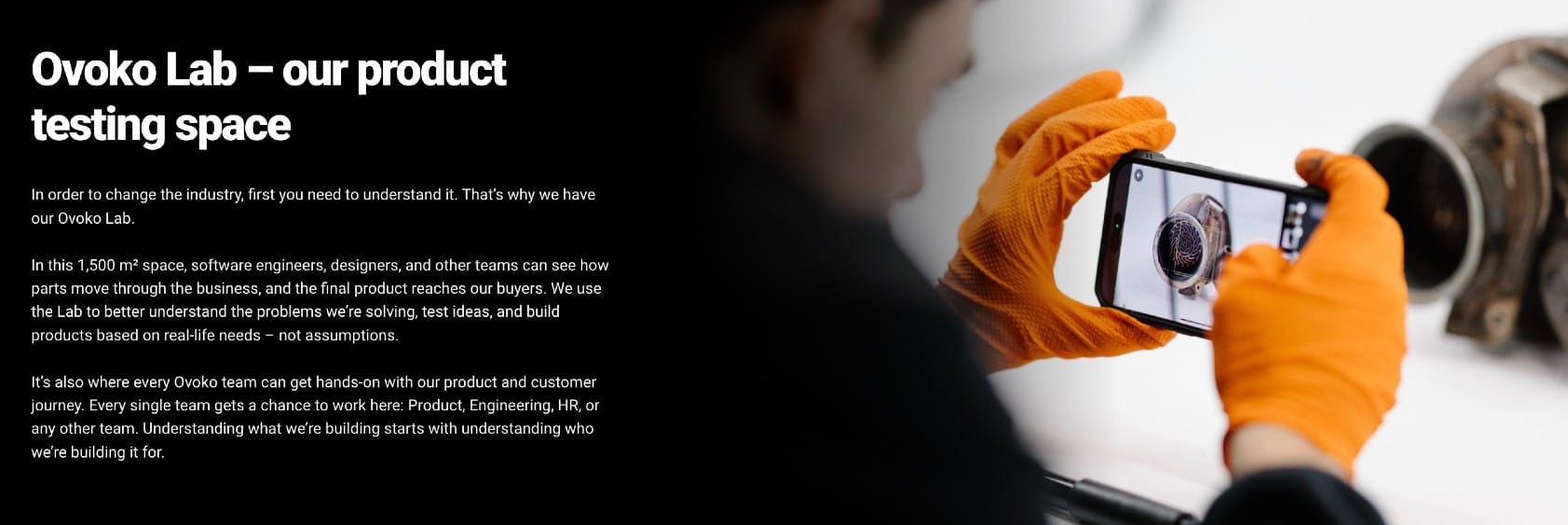
We've seen marketplaces making first move (Vinted, Ovoko, Bolt) in physical world. Now time for banks, real estate services, telcos, accounting, legal, insurance, healthcare, logistics, sports — new ideas, and new technology people coming. Many have "AI-enabled" in their decks. Potentially, another GDP boost.
Software for the restaurant has replaced the dream of owning bar? AI comes into play as running a food place is a gazzilion of small things to do. New entrants - Local Staple - hiring Founding Head of Engineering, may have secured funding. Greet - the pay-at-table solution now also is a POS system. Backoffice also got funding from Firstpick + Lost Astronaut. And would love to know more about Eventcast, too. Saltz is different — they went after more structurial issue in the industry — became digital marketplace for sourcing food suppliers.

Barbell in funding. Not as extreme as in the US / Europe (five seed rounds took 43% of all the seed money in Europe this year), but Baltics follow the direction: hundreds of k funding to try/test if idea is not revolutionary (building costs are v low) and sudden high millions if there is traction (or superb team). On that note, adflank raises €100K to automate competitor ad tracking — well done, new fresh founders.
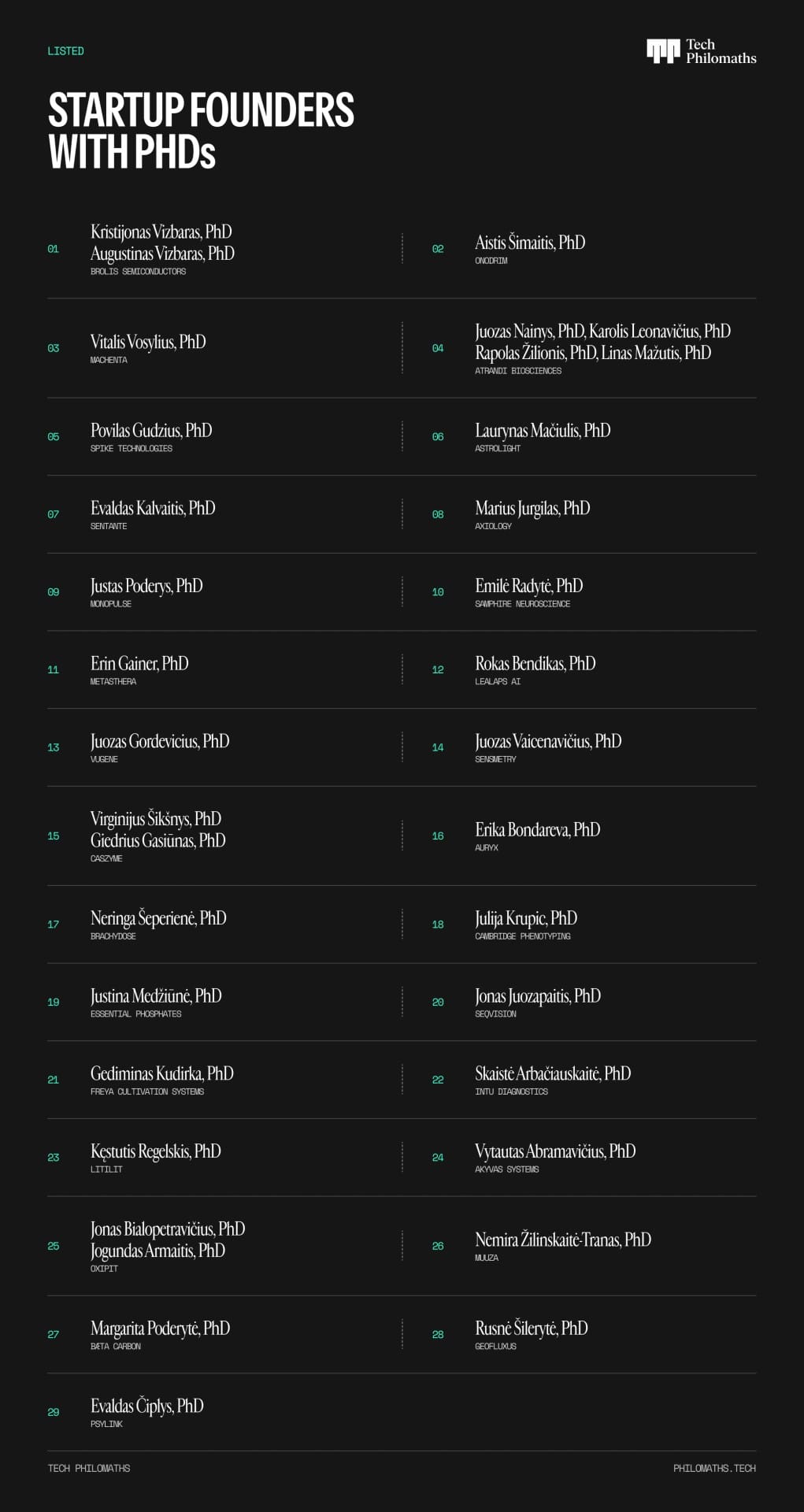
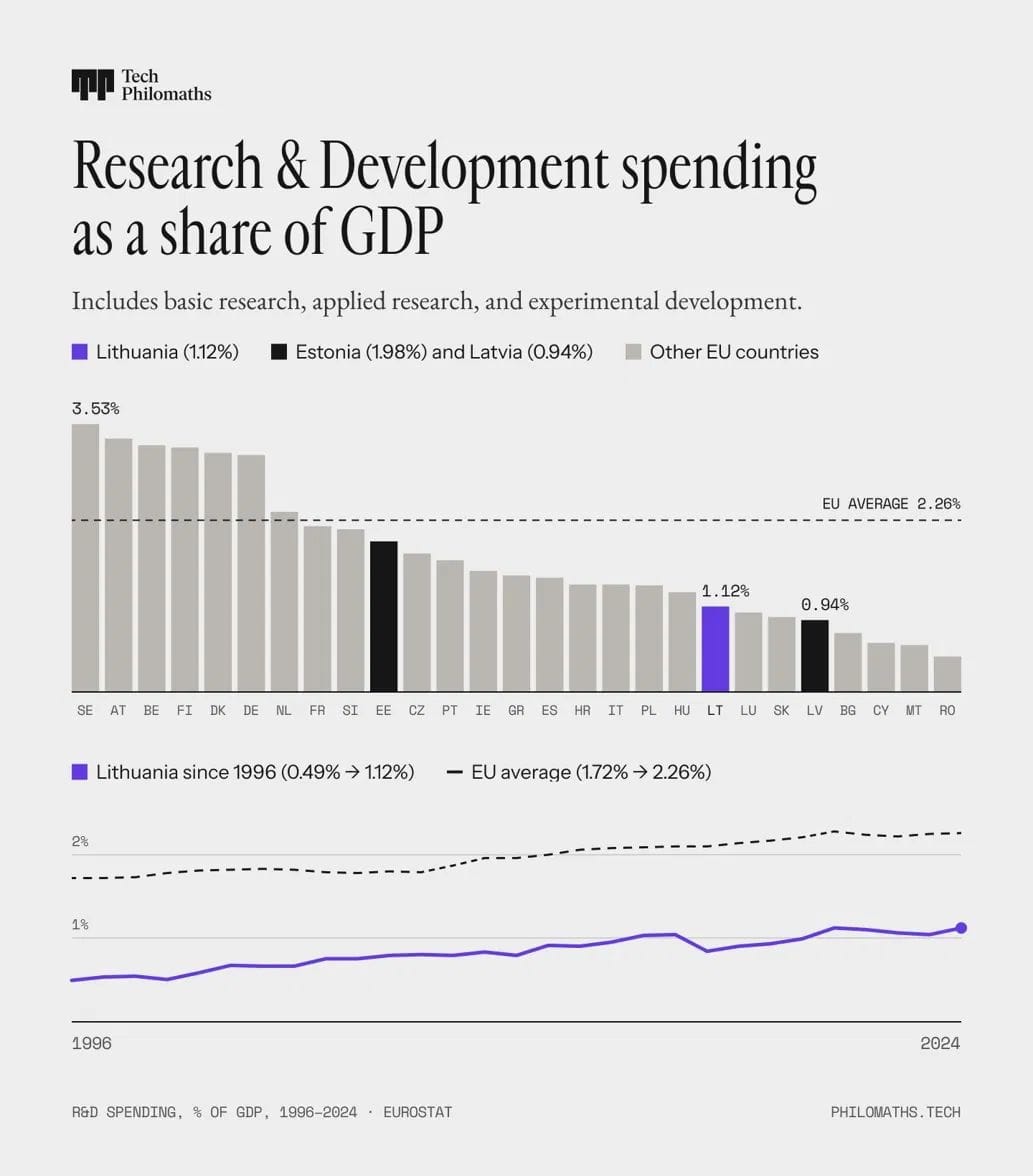
Startup founders with PhDs. Baltics are dragging at around 1% R&D spending, roughly 3x less than Nordic economies (scroll to the end to see the graph). We'd love to bet on deeptech founders more. Here is some proof they are coming with ambition.
Fully agentic? Three startups pursuing customer-facing agentic solutions. Going beyond vibecoding, serving business that needs scalable and reliable solution. Which one are you most bullish on - Chaseit, Ace Waves, or Outcraft?
This list is missing Zobi, the new Estonian phenomenon. Claims online say ARR 40M in 120 days. They train AI to sell and engage consumers better, and work with DTC brands. They are backed by Seedcamp, real people are joining and apparently, on fire.
basedcollective shows no signs of slowing down; delivered Camp V0. 40 founders from london, stockholm, paris, madrid and vilnius, locked in at basedcamp for 4 weeks. Fresh video (but feels old)
People moves. Gintare is leaving Unicorns Lithuania, and Simonas will step into CEO role. Martynas joined Hostinger as Chief Strategy Officer. Andrius is now Head of Sales at RSI Europe. Guy joins Mapon as new CTO. Oliver is leaving Specialist VC. Indre joined Vinted as Director of CS transformation. Donatas joins Mediatech as AI lead. Aleksas is now Deputy MLRO at Vinted.
sponsors
Cloudvisor [now an official AWS Managed Services Provider]
Hostinger [online presence accessible to everyone worldwide, hiring]
Nord Security [join us and create what's next in cybersecurity]
Ovoko [join to transform Europe’s €30B+ used car parts market]
Source.ai [Step into the world of web data gathering]
VIALET [Business accounts for growth, hiring]
Surfshark [Top 50 among fastest growing in EU, hiring]
Eldorado.gg [world’s largest in-game trading marketplace, hiring]
Eneba [join the marketplace 20M gamers love]
InRento [Investments in real estate projects with income, growth, and impact]
rounds and capital
Himera, tactical communications startup, raised a $5M investment round led by Gardar. Existing investors Varangians, Bulava, and Green Flag VC, along with new - Superangel and Next Front Ventures.
TP recommends
Where do you take people for a meeting in your city? We've got Riga, Tallinn, Amsterdam, Vilnius covered.
Rolands Mesters, Balsio
I typically tell them "Let's meet at Startup House Riga (coworking hub) - it has amazing coffee." Truth is the coffee is ok, but the place is always buzzing with high energy people.
Iida Kaisa Urm, Artopia
Tallinn and Värav Volta café. I’ve had most of my meetings there whenever I get to choose the location. Bonus points for outdoor seating if blessed with good weather.
Aiste Juknaite, Eldorado.gg
In Amsterdam, I’d take you on a self-seevice boat tour across the canals in the summer or host you at my home the rest of the year. Working remotely means that I don’t get to invite my team over to mine and I miss that 💚 In Vilnius, I’ll usually invite you for breakfast to Kavos Era. It’s calm, there’s delicious food and strong enough coffee to start the day together.
Helery Pops, ruum
In Tallinn it has to be the new Krulli neighbourhood. First Värav Cafe for coffee and then to ruum for the meeting.
Milda Mitkute, Vinted
I’m very Paupys-centric, so my first choice is always a walk around Paupys - walking is great for brainstorming. A coffee at one of the local cafés is my second choice.
Tim Vaino, Practica Capital
1. Brick - best coffee in town, suitable for a non formal meeting
2. Nihe - quiet, good for talks, delicious vegan lunch
3. Levier - tasty brekkie or brunch, ideal for first meetings
roleplay
Cloudvisor - Cloud Sales & Alliance Manager
Nord Security - Agentic Product Manager
Hostinger - Head of Affiliates
Eneba - Affiliate Marketing Team Lead, FP&A Manager
Source / Oxylabs - Head of Partnerships, Head of Marketing
Eldorado - Product Owner (Search and Ranking)
Surfshark - Pricing Strategy Lead
VIALET - Underwriting Team Lead, Engineering Manager
Flanco - Development Manager
Pamatai, Lithuanian Investigative Journalism Award - Director
brand + design
AI-native UIs. Today, working with an agent still strikes me as an interface problem. Handing an agent a task and waiting works for a lot of things, and most of the time it’ll get it right. But some work you want to see, and do together. Great explainer video on human-agent collaborative work, and why agents still need UI.
Getting back to basics. When everything feels like fireworks, getting back to basics feels almost rebellious. It’s easier than ever to produce things. Knowing what needs improving takes experience and building it takes patience. AI can amplify your expertise, but it also exposes the limits of your understanding.
ecosystem
The map we don't like too much, and what's a must to change as Baltics embrace technology and innovation.
further insight
How to make a lovable city - what a simple framework
A new shape of work - How to organize and shape your organization in the agentic world
Member discussion